You step out of your villa in the early morning and notice a small woven palm leaf basket resting on the pavement. The scent of burning sandalwood drifts through the air. A local shop owner smiles and sweeps the street before opening their doors to the neighborhood. This quiet daily rhythm is not just a morning routine. It is the active practice of Tri Hita Karana in Bali, the foundational philosophy that dictates how the island operates. Understanding this concept changes the way you experience the entire coastline.
Quick Answer: Tri Hita Karana is the traditional Balinese philosophy of achieving spiritual and physical balance. It translates to the three causes of wellbeing, which are harmony with the divine, harmony among people, and harmony with nature. In 2026, this ancient concept remains highly relevant, offering a universal framework for living a grounded, connected, and sustainable life regardless of your background.
Understanding the Three Core Harmonies
To truly appreciate the local culture, you have to look at how decisions are made. The concept breaks down into three distinct pillars. The first is Parahyangan, which focuses on maintaining a connection with the spiritual realm through daily offerings and temple ceremonies.
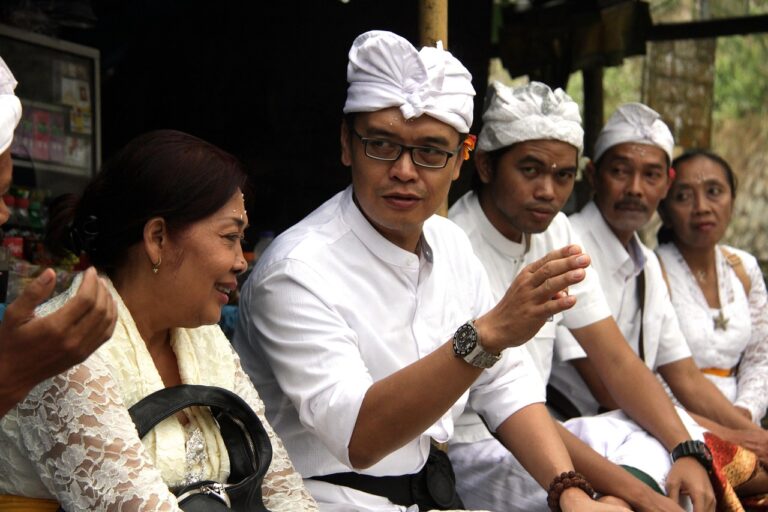
The second is Pawongan, emphasizing compassion, cooperation, and respect within the community. The third is Palemahan, which requires a deep, active respect for the natural environment. When these three elements are aligned, the island thrives.
Why the Philosophy Matters More in 2026
As global travel accelerates and digital distractions peak in 2026, the craving for genuine connection has never been higher. Visitors arrive on the island looking for an escape from relentless schedules and highly connected lifestyles.
Tri Hita Karana offers a direct antidote to modern burnout. It reminds us that true wellbeing does not come from isolating ourselves, but rather from repairing our relationships with our community and our physical environment. It forces you to slow down, look up from your screen, and acknowledge the ecosystem you are standing in.
Applying the Concept to Your Daily Life
You do not need to be Balinese to practice this philosophy. The principles are entirely universal and can be applied long after your flight home. You practice Pawongan when you choose to engage warmly with the people preparing your food or when you support local artisans.
You practice Palemahan when you make conscious choices about your footprint, choosing venues that respect the coastline rather than overwhelm it. To learn more about interacting with local customs respectfully, reading our guide on [5 Balinese Temple Rules: Essential Tourist Etiquette] is a great starting point.
Experiencing the Balance in Batu Belig
This philosophy heavily influences how thoughtful spaces are built across the island. Mari Beach Club, located on Jl. Batu Belig No.66, between Seminyak and Berawa, was developed specifically with Palemahan and Pawongan in mind. The architecture utilizes natural materials like bamboo, timber, and river stone to blend with the landscape rather than dominate it.
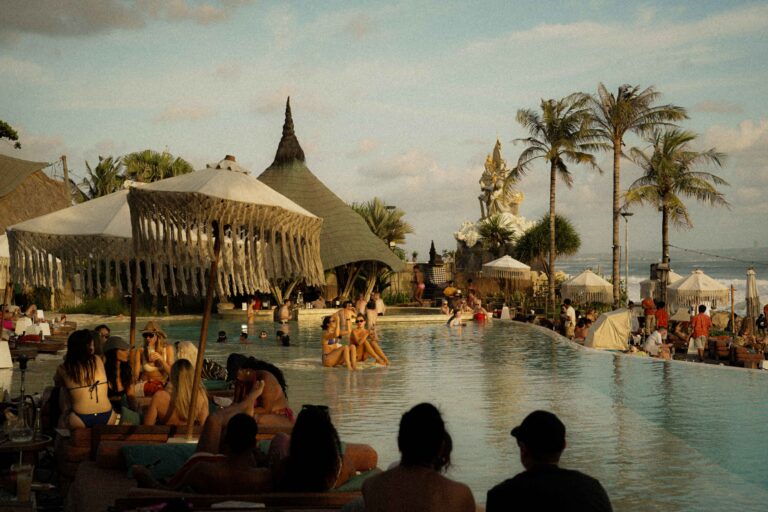
The venue operates at an intimate scale that fosters genuine human connection. When you relax on a Sunset Daybed, you are participating in an environment designed for balance. You can enjoy a signature Beach Sangria and watch the sunset directly over the ocean, surrounded by a space that honors its cultural roots. If you want to explore more of this specific neighborhood, our [Batu Belig Travel Guide: Discover the Quiet Coastline] provides excellent local context.
Frequently Asked Questions
What does Tri Hita Karana literally mean? The phrase originates from Sanskrit. Tri means three, Hita means happiness or prosperity, and Karana means causes. Together, it translates to the three causes of wellbeing or happiness.
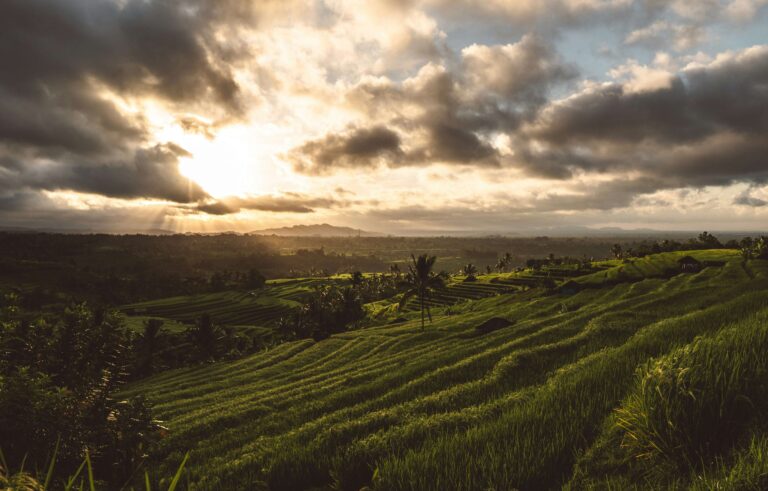
How is Tri Hita Karana practiced in Bali? You see it daily through the placement of canang sari offerings on the streets, the tight community organization of the local banjar, and the traditional subak irrigation system that shares water equitably among rice farmers.
Can tourists participate in Tri Hita Karana? Absolutely. Visitors participate by treating local traditions with respect, minimizing their environmental impact, and engaging kindly with the local community during their stay.
The late afternoon light provides the perfect moment to pause and appreciate the natural beauty of the coast. Secure a comfortable seat by the water and experience the island at its proper pace. Reserve your space at [maribeachclub.com/reservation/].