When you first arrive on the island, you will quickly notice a specific pattern. Whether you are ordering a coffee in town or checking into your villa, you keep hearing the same few names. Wayan, Made, Nyoman, and Ketut seem to be everywhere. This repetition is not a coincidence, nor is it a lack of imagination. It is the result of a deeply rooted cultural naming system that dates back centuries.
Quick Answer: Balinese names primarily indicate the birth order of siblings within a family, regardless of gender. The system uses four main names: Wayan for the firstborn, Made for the second, Nyoman for the third, and Ketut for the fourth. This tradition reflects a philosophy of equality, community, and the cyclical nature of spiritual life.
The Core Four: Wayan, Made, Nyoman, Ketut
The naming structure across the majority of the island is incredibly straightforward. It strips away the pressure of choosing unique identifiers and instead roots every child immediately into their family tree.
The firstborn child is typically named Wayan, Putu, or Gede. The second child is named Made or Kadek. The third child is named Nyoman or Komang. Finally, the fourth child is named Ketut.
These names are given to both boys and girls. The system is designed to immediately tell the community where a person stands within their household. It establishes an automatic baseline of respect and understanding between strangers.
What Happens at Child Number Five?
Many visitors ask what happens if a family has more than four children. The answer ties directly into the spiritual philosophy of the island. The cycle of four represents a complete spiritual sequence.
If a family has a fifth child, the cycle simply starts over. The fifth child is named Wayan Balik, which directly translates to “Wayan returns.” The sixth child would be Made Balik, and so on. This cyclical nature mirrors the Balinese belief in reincarnation, where souls return to the family lineage in a continuous loop.
Gender Distinctions: The “I” and “Ni” Prefixes
Because the core four names are gender neutral, the culture uses a simple prefix system to differentiate in formal settings. To indicate gender on official documents or during formal introductions, a short prefix is attached to the front of the name.
The prefix “I” is used for males. The prefix “Ni” is used for females. Therefore, a firstborn boy is formally introduced as I Wayan, while a firstborn girl is formally introduced as Ni Wayan.
In casual, daily conversation, these prefixes are often dropped. Friends and family will simply call out Wayan or Made, relying on context and physical presence rather than formal titles.
The Role of Nicknames in Daily Balinese Life
Because so many people share the exact same first name, navigating a crowded room full of Wayans and Mades requires a workaround. This is why locals rely heavily on highly specific nicknames.
These nicknames are often given during childhood and stick for life. They might relate to a physical trait, a funny personality quirk, or an event from their youth. It is entirely common to meet someone known to their entire village as “Wayan Black” or “Made Smile.”
In tourist areas, many locals will adopt Western nicknames to make communication easier for foreign visitors. However, their legal and spiritual identity remains tied to their birth order.
The Tri Wangsa: Understanding Caste Titles
While the birth order names are used by the vast majority of the population, the island also observes a historical Hindu caste system. This system introduces different titles for families belonging to the upper castes, collectively known as the Tri Wangsa.
Unlike the rigid caste systems found in other parts of the world, the Balinese version is generally more fluid and heavily focused on religious roles and historical lineage rather than strict economic division.
When you meet someone with a title outside the core four birth order names, they likely belong to one of these three upper groups.
Brahmana: The Spiritual Scholars
The Brahmana caste is historically the highest tier in the social structure. This group comprises the priests, scholars, and spiritual leaders of the community. They are the keepers of religious texts and the conductors of major ceremonies.
If you meet a man from this caste, his name will typically begin with Ida Bagus. If you meet a woman from this caste, her name will begin with Ida Ayu.
You will often see members of the Brahmana caste presiding over major temple festivals or leading complex purification rituals across the island.
Ksatria: The Historical Rulers
The Ksatria caste historically represents the royalty, warriors, and government administrators. These are the families who built the ancient palaces and ruled the various kingdoms before modern governance took over.
Naming conventions in this caste are quite diverse depending on the specific royal house or regency. Common titles include Anak Agung, Tjokorda, or Gusti.
Many of the traditional arts, including the classical dances performed at the Ubud Palace, were historically preserved and funded by families belonging to the Ksatria caste.
Waisya: The Merchant Class
The Waisya caste originally represented the merchants, traders, and administrative officials. They were the economic engine of the historical kingdoms, managing commerce and agricultural distribution.
Common titles for the Waisya caste include Dewa for men and Desak for women. You might also encounter the title Gusti within this group, depending on their specific family lineage.
Today, the historical occupations of these castes are largely symbolic. A member of the Waisya caste might be a doctor, while a member of the Brahmana caste might run a boutique hotel.
Sudra: The Foundation of the Island
The Sudra caste makes up roughly ninety percent of the Balinese population. Historically representing the farmers, artisans, and laborers, they are the foundation of the island’s culture and community.
This is the group that exclusively uses the Wayan, Made, Nyoman, and Ketut naming system. They are the driving force behind the daily life of the island, from running local businesses to maintaining the complex rice terraces.
The Sudra class is deeply connected to the land and the local village structure, ensuring that the ancient traditions remain actively practiced in modern times.
The Naming Ceremony: Nelu Bulanin
A Balinese name is not simply written on a birth certificate. It is bestowed through a deeply important religious ceremony known as Nelu Bulanin. This ceremony takes place when the baby is three Balinese months old, which equates to 105 days.
Before this ceremony, the baby is considered a pure, divine spirit that has not yet fully anchored to the physical world. Their feet are literally not allowed to touch the ground during this period.
During the Nelu Bulanin, the child is formally given their name, their feet are allowed to touch the earth for the first time, and they are officially welcomed as a human member of the community.
How Names Connect to the Banjar System
Your name and your birth order dictate your future responsibilities within the banjar. The banjar is the local village council, and it is the most powerful social organization on the island. Every married man must join his local banjar.
The community relies on a shared sense of duty. Firstborns often carry heavier expectations for leadership and maintaining the family compound, while younger siblings might have more flexibility to move away for work.
This interconnected system ensures that no one is ever truly isolated. To understand more about how this community harmony works, our guide on [Tri Hita Karana in Bali: How to Find Balance in 2026] breaks down the philosophy perfectly.
Experiencing Authentic Culture in Batu Belig
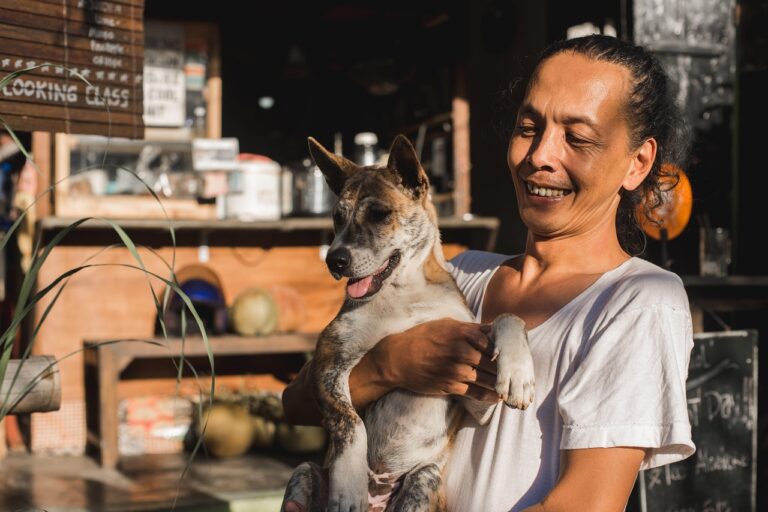
Understanding this naming system changes how you interact with the people you meet. When you know that your server is named Made, you instantly know they are a second child. It opens the door for genuine, respectful conversations rather than surface level tourist interactions.
We embrace this authentic connection at Mari Beach Club, located on Jl. Batu Belig No.66, directly between Seminyak and Berawa. We designed the venue to reflect genuine local culture, from the organic terrace architecture to the traditional hospitality of our team.
When you relax on a Bean Bag by the Sand Pit, you are served by local staff who embody this cultural warmth. You can enjoy a signature Beach Sangria and feel the “Little Bali” atmosphere, completely removed from the sterile environments of international hotel chains.
Frequently Asked Questions
Why are there only 4 names in Bali? The four names represent a complete cycle of life and birth order. The culture values the family unit and community over intense individualism. Limiting the core names reinforces this sense of equality and shared identity across the entire island.
Do Balinese have family names? Traditionally, Balinese people do not use surnames or family names. Their identity is tied to their birth order, their gender prefix, and sometimes a specific nickname or caste title. The village and family compound provide the broader sense of family identity.
What does the name Ketut mean? Ketut is the traditional name given to the fourth child in a family. It is often translated to mean “little banana” or the final child, as families historically aimed for a complete cycle of four children before starting the naming sequence over.
Is it rude to ask for someone’s nickname? Not at all. Because so many people share the same birth order name, asking for a nickname is entirely normal and practical. It shows a desire to connect on a more personal level.
The late afternoon light is the perfect time to slow down and connect with the island’s culture. Secure a comfortable seat by the water and experience genuine hospitality. Reserve your space at [maribeachclub.com/reservation/].