Bali is often associated with sunny beach days, tropical landscapes and spectacular sunsets, but visiting the island during the wet season offers an entirely different experience. With greener rice terraces, fewer crowds and a more relaxed atmosphere, the rainy months can be a wonderful time to explore another side of Bali.
Many travellers assume that the wet season in Bali means continuous rainfall and limited outdoor activities. In reality, tropical showers are often followed by periods of sunshine, leaving plenty of opportunities to explore the island, visit beach clubs, experience Balinese culture and enjoy its vibrant dining scene.
Whether you’re planning a romantic getaway, a holiday with friends or a relaxing tropical escape, a little flexibility can help you make the most of your trip. From exploring lush landscapes to enjoying beachfront dining at Mari Beach Club in Canggu, here is everything you need to know about visiting Bali during the rainy season.
When Is the Wet Season in Bali?
The wet season in Bali generally runs from October to March, with December, January and February typically experiencing heavier rainfall. During these months, visitors can expect warm temperatures, higher humidity, tropical showers and occasional thunderstorms, although periods of sunshine are still common throughout the season.
Unlike winter in many other countries, Bali remains warm throughout the rainy season. Visitors can still enjoy tropical weather, outdoor dining and beach club experiences when conditions allow.
The beginning and end of the rainy season can vary each year. October and March are often transitional months, offering a mixture of sunny days and occasional rainfall.
Bali Wet Season Month-by-Month Guide
| Month | Typical Weather | Recommended Activities |
|---|---|---|
| October | Transitional weather with increasing rainfall | Beach clubs, sightseeing and sunset dining |
| November | More frequent tropical showers | Cultural experiences, dining and spa treatments |
| December | High rainfall and humidity | Restaurants, wellness activities and festive celebrations |
| January | Frequent rain and thunderstorms | Cooking classes, indoor activities and spa days |
| February | Continued rainfall with sunny intervals | Beachfront dining, cultural workshops and yoga |
| March | Gradual transition towards drier weather | Nature exploration, beach clubs and outdoor activities |
Weather conditions can vary depending on the region, so checking the local forecast before planning outdoor activities is always recommended.
Does It Rain All Day During Bali’s Wet Season?
It does not necessarily rain all day during the rainy season in Bali. Rainfall often arrives in short, intense tropical showers, followed by clearer skies and warmer conditions. However, prolonged rainfall and thunderstorms can occur, particularly during the wettest months of December, January and February.
One of the biggest misconceptions about visiting Bali during the wet season is that outdoor activities become impossible. Many days still offer opportunities to explore beaches, enjoy lunch outdoors or spend an afternoon at a beach club.
The key is to keep your itinerary flexible. Instead of scheduling every activity at a fixed time, allow room to adjust your plans according to the weather. A rainy morning can become a relaxing spa session, while a clear afternoon may be perfect for beachfront drinks and sunset at Mari Beach Club.
Is the Wet Season a Good Time to Visit Bali?
Yes, the wet season can be a good time to visit Bali for travellers who prefer fewer crowds, greener landscapes, potentially lower accommodation prices and a more relaxed holiday. Although rainfall may affect some outdoor activities, Bali continues to offer excellent dining, cultural experiences, wellness activities and beachfront entertainment throughout the year.
Travelling outside the busiest dry-season months can offer several advantages, especially for visitors who want to experience Bali at a slower pace.
1. Fewer Crowds at Popular Attractions
Outside the Christmas and New Year holiday period, the rainy season can be quieter than Bali’s peak travel months. Popular tourist attractions, restaurants and cultural destinations may feel less crowded, allowing visitors to explore the island more comfortably.
For travellers who prefer a relaxed holiday rather than a packed itinerary, the wet season provides an opportunity to enjoy Bali without feeling rushed.
2. More Affordable Flights and Accommodation
Visiting Bali during quieter travel periods may help you find more competitive hotel rates and flight prices. Accommodation providers and airlines sometimes offer seasonal promotions when travel demand is lower, making it possible to enjoy a longer holiday or upgrade your accommodation.
However, Christmas and New Year remain popular travel periods in Bali, so prices may increase significantly during these dates. Booking ahead and comparing travel dates can help you find better value.
3. Greener and More Beautiful Landscapes
The rainy season brings Bali’s tropical landscapes to life. Rice terraces become greener, gardens flourish and the island’s natural surroundings take on a richer appearance.
For nature lovers and photography enthusiasts, this can be one of the most rewarding times to explore Bali. The combination of misty mornings, lush vegetation and dramatic skies offers a different perspective from the island’s dry-season scenery.
4. A More Relaxed Holiday Experience
The wet season encourages travellers to slow down and enjoy experiences they might otherwise overlook. Instead of spending every day travelling between attractions, visitors can dedicate more time to long lunches, wellness treatments, cultural workshops and memorable dining experiences.
Sometimes, spending an afternoon beside the ocean with good food, refreshing drinks and great company is just as rewarding as a full day of sightseeing.
What Are the Best Things to Do in Bali During the Wet Season?
The best things to do in Bali during the wet season include visiting beach clubs during sunny intervals, exploring Balinese cuisine, enjoying spa treatments, attending cooking classes, practising yoga and discovering cultural activities. Nature-based experiences such as visiting waterfalls and rice terraces can also be enjoyable when weather and safety conditions permit.
Here are some of the best ways to make the most of your rainy-season holiday in Bali.
1. Spend an Afternoon at Mari Beach Club
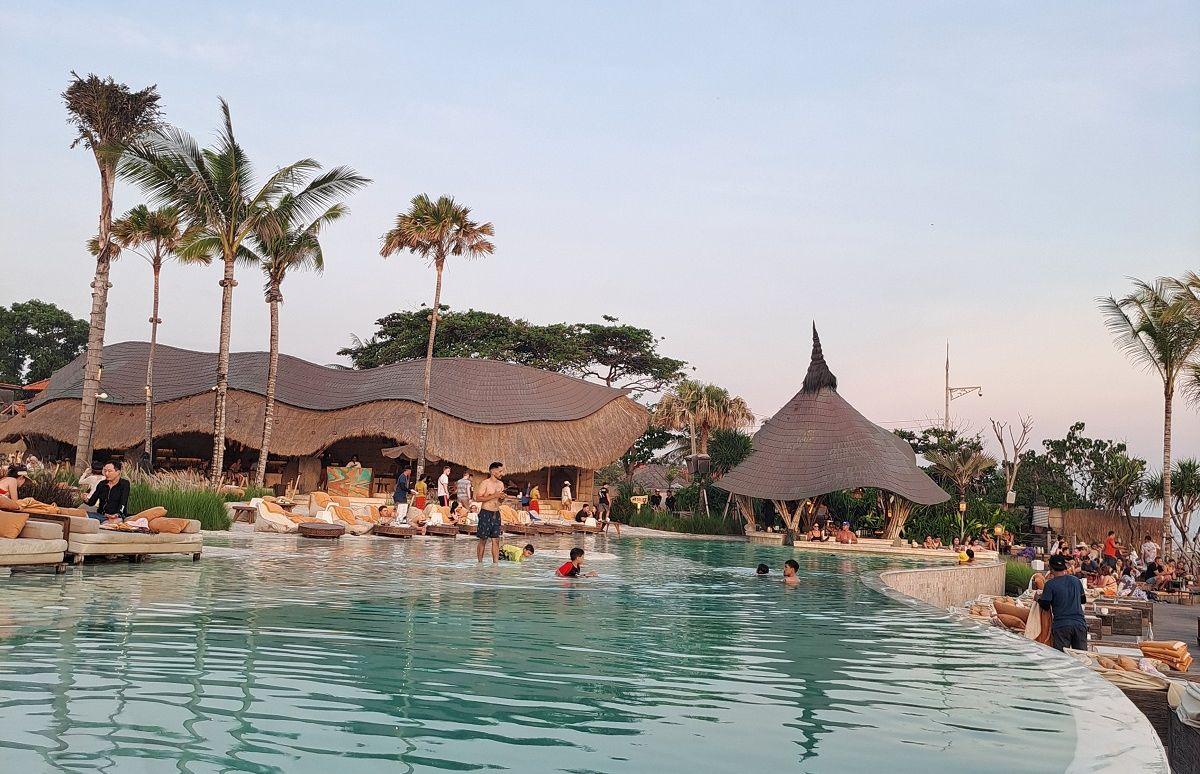
A visit to Mari Beach Club in Canggu is a wonderful way to enjoy Bali’s coastal lifestyle during the wet season. With beachfront surroundings, Balinese-inspired architecture, comfortable seating, food, drinks and music, Mari offers a destination where visitors can relax and enjoy the afternoon at their own pace.
When the weather clears, settle into a daybed and take in the ocean views. Enjoy a refreshing cocktail, share food with friends and experience the changing atmosphere along the coastline as the afternoon progresses.
The wet season is also an opportunity to embrace a more spontaneous beach club experience. Rather than waiting for an entirely sunny day, make the most of favourable weather conditions and enjoy the moments of sunshine between tropical showers.
2. Enjoy Beachfront Dining at Solé Restaurant

Rainy days provide the perfect excuse to slow down and explore Bali’s culinary scene. Located within Mari Beach Club, Solé Restaurant by Chef Mandif Warokka offers a contemporary dining experience inspired by the rich culinary traditions of Eastern Indonesia.
The restaurant brings together regional Indonesian flavours and a distinctive beachfront setting, offering visitors an opportunity to experience another side of Indonesian cuisine. Whether you’re planning a romantic dinner, celebrating a special occasion or enjoying an evening with friends, Solé provides a memorable addition to your wet-season itinerary.
3. Visit Bali’s Waterfalls and Rice Terraces

Bali’s natural landscapes become particularly lush during the rainy season. Waterfalls may have stronger flows, while rice terraces and tropical vegetation display vibrant shades of green, creating beautiful surroundings for sightseeing and photography.
Popular destinations around Ubud and other inland regions offer opportunities to appreciate the island’s natural beauty. However, heavy rainfall can make trails slippery and water levels unpredictable, so always check local conditions and avoid visiting waterfalls during severe weather.
4. Treat Yourself to a Spa Day

A traditional Balinese massage or relaxing spa treatment is one of the most enjoyable rainy-day activities in Bali. The sound of tropical rain can complement the peaceful atmosphere of a spa, creating an ideal opportunity to unwind.
From traditional massages and body scrubs to wellness treatments, Bali offers a wide variety of experiences for visitors looking to take a break from sightseeing. A spa session can also fit easily into your itinerary before an afternoon of beachfront drinks or dinner.
5. Join a Balinese Cooking Class

Taking a cooking class is an excellent way to experience Indonesian culture while staying sheltered from the rain. Visitors can learn about traditional ingredients, aromatic spices and preparation techniques that contribute to Bali’s distinctive culinary identity.
Cooking classes also provide a more interactive experience than simply visiting a restaurant. They allow travellers to develop a deeper appreciation of local food traditions while learning skills they can take home after their holiday.
6. Experience Traditional Balinese Entertainment

Bali’s cultural experiences are one of the island’s biggest attractions, regardless of the season. Traditional dance performances, music and artistic traditions offer visitors an opportunity to learn more about the island’s heritage.
At Mari Beach Club, guests can experience a traditional Kecak Dance scheduled every Wednesday at 6:30 PM, subject to weather conditions and the entertainment schedule. Combining a cultural performance with beachfront drinks and dinner at Solé Restaurant creates a distinctive evening in Canggu.
7. Explore Bali’s Café Culture
Bali’s café scene is particularly appealing during the rainy season. Canggu and other popular neighbourhoods offer a wide variety of cafés where visitors can enjoy locally sourced coffee, brunch and relaxed surroundings while waiting for the rain to pass.
Whether you’re travelling alone, catching up with friends or spending a quiet morning reading a book, exploring Bali’s café culture is an enjoyable way to make the most of a rainy day.
8. Take a Yoga or Wellness Class

Bali is internationally recognised for its wellness culture, and the wet season provides an excellent opportunity to experience it. Yoga classes, meditation sessions and wellness retreats allow visitors to focus on relaxation and personal wellbeing without relying on sunny weather.
A morning wellness session followed by lunch, a spa treatment or an afternoon at Mari Beach Club can create a balanced and enjoyable holiday itinerary.
9. Join a Silver Jewellery Workshop

Silver jewellery-making workshops offer a creative way to spend a rainy afternoon while learning about traditional Indonesian craftsmanship. Many workshops guide visitors through the process of designing and creating their own jewellery under the supervision of experienced artisans.
It is an engaging indoor activity for couples, friends and solo travellers, with the added benefit of creating a personal souvenir to remember your Bali holiday.
10. Explore Bali Through Photography
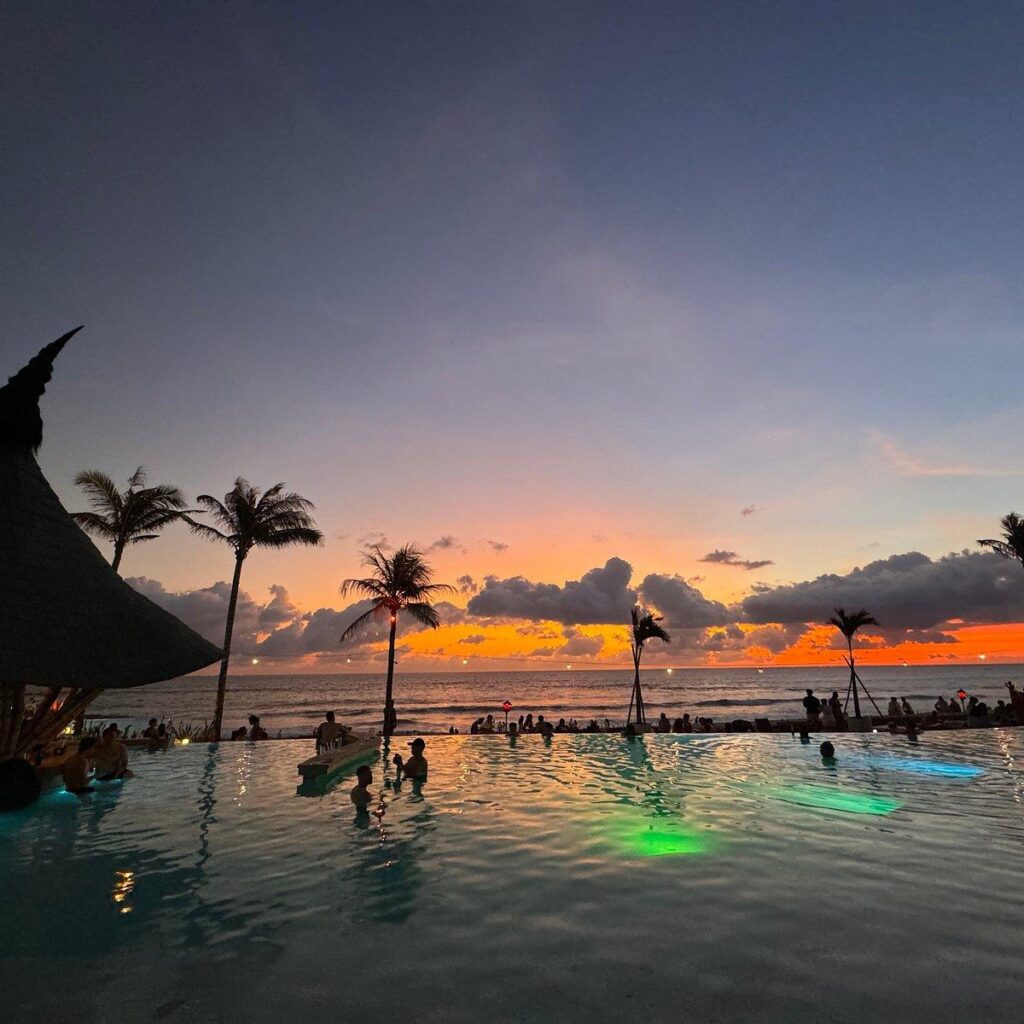
The rainy season transforms Bali’s scenery, creating dramatic cloud formations, reflections, misty landscapes and vibrant tropical colours. These conditions can offer interesting opportunities for photography, particularly around rice terraces, traditional architecture and coastal destinations.
Even a cloudy afternoon at the beach can provide a beautiful backdrop. As the weather changes throughout the day, visitors may encounter unexpected moments of sunshine and striking sunset colours.
Can You Still Visit Beach Clubs During the Rainy Season in Bali?
Yes, you can still visit beach clubs in Bali during the rainy season. Many days offer sunny intervals suitable for beachfront relaxation, outdoor dining and sunset drinks. However, outdoor facilities, swimming activities and entertainment may be affected by heavy rainfall, thunderstorms or other unfavourable weather conditions.
At Mari Beach Club, the experience extends beyond spending time in the sunshine. The combination of beachfront surroundings, Balinese-inspired design, food, drinks and dining makes it an appealing destination even when the weather is less predictable.
For the most enjoyable experience, check the weather forecast and contact the venue about seating availability before visiting. If conditions are favourable, spending several hours beside the ocean can still be one of the highlights of your Bali holiday.
Can You Still See Beautiful Sunsets During Bali’s Wet Season?
Yes, beautiful sunsets are still possible during Bali’s wet season, particularly when afternoon showers clear before the evening. Cloud formations can sometimes create dramatic sunset colours, although visibility depends on local weather conditions. Bali’s western coastline, including Canggu, remains a popular destination for enjoying golden hour throughout the year.
While clear skies are generally more predictable during the dry season, the rainy months can produce striking combinations of clouds, golden light and colourful horizons.
At Mari Beach Club, visitors can enjoy beachfront drinks while watching the changing coastal scenery. Arriving before sunset gives you time to settle in and appreciate the atmosphere, even if the weather is slightly overcast.
Rather than expecting a perfect sunset every evening, embrace the natural unpredictability of Bali’s tropical weather.
What Should You Be Careful About During Bali’s Rainy Season?
Travellers visiting Bali during the rainy season should be mindful of slippery roads, localised flooding, thunderstorms, rough sea conditions and increased mosquito activity. Checking weather forecasts, choosing suitable transportation and adjusting outdoor plans during severe weather can help make your holiday safer, more comfortable and enjoyable.
Although the wet season offers plenty of opportunities to explore Bali, taking a few practical precautions can make a significant difference.
Thunderstorms and Lightning
Tropical thunderstorms can develop quickly during the rainy season. If you hear thunder or see lightning, leave swimming pools, beaches and other exposed outdoor areas and seek shelter inside a substantial building.
Always follow instructions from beach club staff and lifeguards, particularly when swimming facilities or outdoor activities are temporarily restricted due to weather conditions.
Slippery Roads and Localised Flooding
Heavy rainfall can reduce visibility, make roads slippery and cause temporary flooding in some areas. Travelling by car may be more comfortable than riding a scooter during periods of heavy rain.
Allow additional travel time when planning restaurant reservations or other activities. Never attempt to drive through flooded roads when the water depth or road conditions are uncertain.
Mosquitoes and Dengue Prevention
Rainfall can create standing water where mosquitoes breed, making mosquito protection particularly important during the wet season. Use mosquito repellent, wear suitable clothing and take precautions throughout the day, as mosquitoes that spread dengue can bite during daylight hours.
If you develop a fever, severe headache, muscle pain or other concerning symptoms during your holiday, seek medical advice promptly.
Rough Ocean Conditions
Rainy-season weather can affect ocean currents, waves and swimming conditions. Even when the rain has stopped, the sea may remain unsuitable for swimming or water sports.
Pay attention to beach warning flags, follow lifeguard instructions and avoid entering the ocean when conditions are unsafe.
Muddy Hiking Trails
Rainfall can make hiking trails, rice terrace pathways and waterfall access routes slippery. Wear appropriate footwear with good grip and avoid outdoor adventures during heavy rain or severe weather warnings.
For activities such as trekking and white-water rafting, choose reputable operators and follow their guidance regarding weather conditions and safety.
What Should You Pack for Bali During the Wet Season?
Packing for Bali’s wet season should focus on lightweight clothing, rain protection, comfortable footwear and essentials for tropical weather. Although rainfall is more frequent, temperatures remain warm, so heavy winter clothing is generally unnecessary. Bringing a combination of beachwear and practical rain gear will help you prepare for changing conditions.
Consider packing the following essentials:
- Lightweight, breathable clothing
- A compact umbrella or waterproof rain jacket
- Comfortable, slip-resistant footwear
- Waterproof bag for electronic devices
- Mosquito repellent
- Sunscreen for sunny intervals
- Swimwear for suitable weather conditions
- A reusable water bottle
- A change of clothes for outdoor activities
- Smart-casual clothing for restaurant visits
Packing appropriately allows you to move comfortably between sightseeing, beachfront activities and evening dining without letting unexpected showers disrupt your plans.
How Can You Plan the Perfect Rainy-Season Day in Canggu?
The best way to enjoy Canggu during the rainy season is to combine flexible outdoor plans with indoor alternatives. Start with breakfast or a wellness activity, explore the neighbourhood when the weather clears and spend the afternoon enjoying beachfront food and drinks before continuing into dinner at Solé Restaurant.
Here is an example of a relaxed wet-season itinerary in Canggu.
| Time | Activity |
|---|---|
| 9:00 AM | Enjoy breakfast and coffee |
| 10:30 AM | Join a yoga class or enjoy a Balinese massage |
| 12:30 PM | Explore Canggu and have lunch |
| 2:30 PM | Visit Mari Beach Club when weather permits |
| 4:30 PM | Enjoy beachfront cocktails and afternoon drinks |
| 6:00 PM | Watch the sunset if conditions are favourable |
| 7:00 PM | Enjoy dinner at Solé Restaurant |
If you’re visiting on a Wednesday, consider including Mari Beach Club’s traditional Kecak Dance performance at 6:30 PM, subject to the entertainment schedule and weather conditions.
This flexible itinerary allows you to experience Canggu’s wellness culture, beachfront lifestyle, Indonesian cuisine and entertainment without spending the entire day travelling between destinations.
Why Visit Mari Beach Club During Bali’s Wet Season?
Mari Beach Club in Canggu offers more than a traditional beach day, bringing together Balinese-inspired architecture, beachfront relaxation, food, cocktails, cultural entertainment and dining at Solé Restaurant. Its combination of experiences makes it an appealing destination for travellers who want to enjoy Bali’s coastal lifestyle during favourable weather throughout the rainy season.
The wet season is an opportunity to experience Mari at a different pace. Instead of filling your itinerary with outdoor attractions, spend time enjoying the ocean views, sharing food with friends and appreciating the tropical surroundings.
When the weather clears, relax on a daybed and enjoy the afternoon sunshine. As evening approaches, stay for sunset or continue into dinner at Solé Restaurant, where Chef Mandif Warokka brings Eastern Indonesian culinary influences into a contemporary beachfront dining experience.
Whether you’re travelling as a couple, visiting with friends or celebrating a special occasion, Mari offers a memorable way to enjoy Canggu beyond the traditional sunny beach holiday.
Frequently Asked Questions About the Wet Season in Bali
What months are the wet season in Bali?
The wet season in Bali generally runs from October to March, with December, January and February typically experiencing heavier rainfall. The exact timing can vary each year depending on regional weather patterns.
What is the rainiest month in Bali?
January is generally among the rainiest months in Bali, although December and February can also experience significant rainfall. Weather conditions vary between coastal and inland regions.
Is Bali worth visiting during the rainy season?
Yes. Bali is worth visiting during the rainy season for its lush landscapes, potentially lower travel costs, quieter attractions, cultural experiences and excellent dining scene. Flexible travel plans can help visitors make the most of their holiday.
Does Bali get sunshine during the wet season?
Yes. Bali can still experience sunny mornings, clear afternoons and beautiful sunsets during the wet season. Rainfall often occurs in tropical showers, although some days may experience prolonged rain.
Are beach clubs open during the rainy season in Bali?
Many beach clubs in Bali operate throughout the year, including during the rainy season. However, outdoor facilities, entertainment and swimming activities may be adjusted depending on weather and safety conditions.
What can I do in Canggu when it rains?
Popular rainy-day activities in Canggu include visiting cafés, enjoying spa treatments, attending yoga classes, exploring restaurants and joining creative workshops. When the weather improves, visitors can enjoy beachfront experiences at Mari Beach Club.
Can I visit Mari Beach Club during the wet season?
Yes. Mari Beach Club is a year-round destination offering beachfront relaxation, food, drinks and dining at Solé Restaurant. Checking weather conditions and seating availability before your visit is recommended.
Is Bali cheaper during the wet season?
Bali can be more affordable during quieter rainy-season travel periods, with potentially lower accommodation and flight prices. However, Christmas and New Year remain popular holiday periods when prices may increase.
Can I swim in Bali during the rainy season?
Swimming may be possible when weather and water conditions are safe. Avoid swimming during thunderstorms, rough seas or severe weather, and always follow lifeguard instructions and venue safety guidelines.
Is December a good time to visit Bali?
December can be an enjoyable time to visit Bali, particularly for festive celebrations, dining and cultural experiences. However, visitors should prepare for frequent rainfall, higher humidity and increased travel demand around Christmas and New Year.
Experience Bali Beyond the Sunshine at Mari Beach Club
The wet season in Bali offers a different perspective on one of the world’s most popular tropical destinations. With greener landscapes, dramatic skies, cultural experiences and a more relaxed pace, the rainy months provide plenty of reasons to visit the island.
At Mari Beach Club, Bali’s coastal lifestyle can be enjoyed beyond the traditional dry-season holiday. From relaxing beside the ocean and enjoying refreshing cocktails to experiencing Balinese entertainment and discovering Eastern Indonesian cuisine at Solé Restaurant, there are plenty of ways to make your visit memorable.
A little tropical rain doesn’t have to change the spirit of your holiday. Embrace the slower moments, make the most of the sunshine and experience Bali in a different way.
Plan your visit to Mari Beach Club and discover the beauty of Bali in every season.